Source child waterproof inflatable swim ring for parks, pools, and beaches
Explore 30 listings for the child waterproof inflatable swim ring suitable for amusement parks, swimming pools, and outdoor water parks. Buyers can compare customization options, materials, and shipping methods from verified suppliers.
Key considerations
Products List


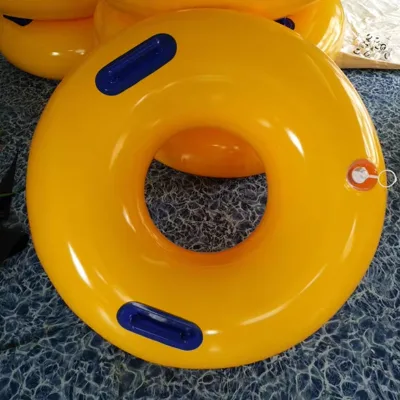


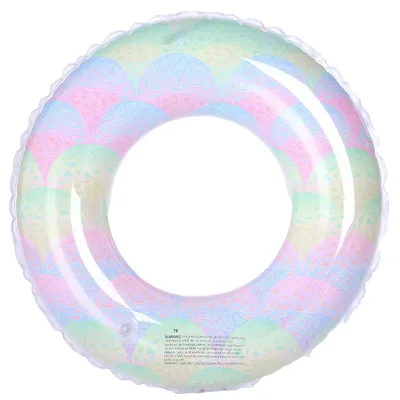
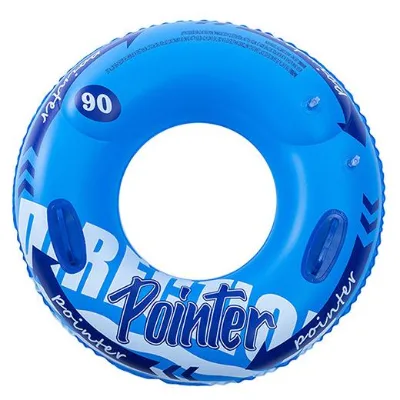
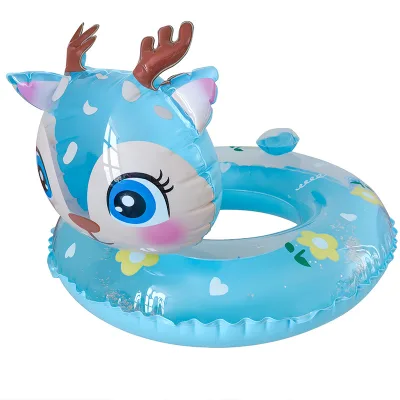


Comprehensive Sourcing Guide
Strategic Sourcing Guide for Child Waterproof Inflatable Swim Rings
Understanding Product Specifications and Material Integrity
When sourcing child waterproof inflatable swim rings, the primary technical focus must be on material composition and structural design. The supply chain data indicates that the predominant material utilized for these products is Polyvinyl Chloride (PVC). This material choice is critical because it directly influences the product's durability, flexibility, and waterproof capabilities. Buyers must verify that the PVC used meets specific thickness requirements to ensure the ring can withstand the pressure of inflation and the physical stress of use by children. The data highlights that product sizes are often customizable, with specific model numbers such as HY-0081 and SR80006 appearing in the market. This variability suggests that procurement strategies should not rely on a single standard dimension but rather establish clear size specifications based on the target demographic.
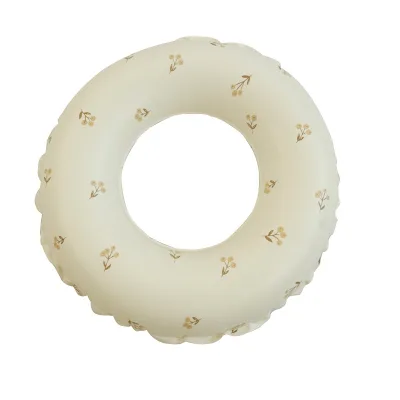
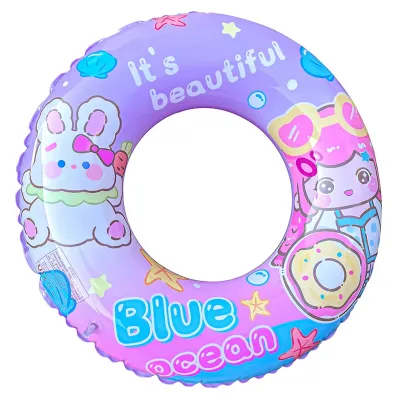
The physical attributes of the swim ring extend beyond simple dimensions. The product is characterized as an inflatable item, which necessitates a robust valve system to maintain air pressure over time. The color options are frequently described as "colourful" or "customized," allowing for branding opportunities or aesthetic alignment with specific park themes. However, the customization of color and size must be balanced against the manufacturing capabilities of the supplier. While some listings indicate a standard size of 1 meter or 1.2 meters, others emphasize that the size can be fully customized. This distinction is vital for buyers; if a specific size is required for safety compliance or user experience, the supplier must confirm their ability to maintain structural integrity at that exact dimension. Furthermore, the product is designed for outdoor use, requiring materials that resist UV degradation and water absorption. The feature of being waterproof is inherent to the inflatable nature of the product, but the quality of the welding and sealing processes determines the long-term reliability of this feature.
Compliance, Certification, and Safety Standards
Safety is the paramount concern when procuring inflatable equipment for children. The market data references the CE Certificate as a key standard, indicating that products must comply with European safety directives. This certification is not merely a formality but a critical verification that the product has undergone specific testing for mechanical strength, chemical composition, and flammability. Buyers should explicitly request valid CE documentation and verify the scope of the certificate to ensure it covers the specific model and material thickness being ordered. The data also mentions an "Allowable Passenger" limit, with some listings specifying a capacity of less than 5 people, while others indicate a weight limit of less than 100kg or between 100-500kg. These discrepancies highlight the necessity for buyers to verify the specific load-bearing capacity of the swim ring they intend to purchase.
The age restriction is another critical compliance factor. The supply data notes that certain products are suitable for users aged over 18 years, which is a significant red flag for a product marketed as a "child swim ring." This suggests that not all inflatable rings in the market are designed for pediatric use. Procurement teams must rigorously screen suppliers to ensure the product is explicitly rated for the intended age group. Relying on a product with an "over 18" rating for children could lead to severe safety incidents. Additionally, the standard for the product often includes specific dimensions, such as 1m or 1.2m, which may be linked to safety testing protocols. Buyers should not assume that a standard size automatically implies safety compliance; rather, they must demand test reports that validate the product's performance under the specific conditions of child use. The presence of a "Customized Logo" feature also requires attention, as the printing process must not compromise the material's structural integrity or introduce hazardous chemicals.
Cost Drivers and Pricing Dynamics
The pricing landscape for child waterproof inflatable swim rings is influenced by several distinct variables, resulting in a wide observed range from $0.59 to $199. This significant variance is not arbitrary but is driven by the complexity of the order, the quality of materials, and the level of customization required. The Minimum Order Quantity (MOQ) is a primary cost driver, with observed ranges spanning from 1 piece to 3,000 pieces. Orders placed at the lower end of the MOQ spectrum often carry a higher unit cost due to the fixed costs of setup and production lines. Conversely, bulk orders can leverage economies of scale to reduce the per-unit price, but they require a larger upfront capital investment.
Material thickness and the type of PVC used are other major factors affecting cost. Higher-grade, thicker PVC materials that offer enhanced durability and safety features will naturally command a higher price point compared to standard, thinner variants. The customization of the product, including specific colors, logos, and unique sizes, adds to the production complexity and cost. Digital printing for logos, as mentioned in the supply data, involves additional steps in the manufacturing process that can increase the final price. Furthermore, the shipping method plays a crucial role in the total landed cost. Options such as sea freight, air freight, and express delivery vary significantly in price and lead time. Sea freight is generally the most cost-effective for large volumes but involves longer lead times, while air and express options are suitable for urgent, smaller orders but come at a premium. Buyers must balance these factors to optimize their budget without compromising on essential safety and quality standards.
Typical Applications and Usage Scenarios
The versatility of child waterproof inflatable swim rings allows them to be deployed across a wide array of commercial and recreational settings. The supply data identifies several key application areas, including amusement parks, water parks, theme parks, shopping malls, and outdoor playgrounds. In water parks and amusement parks, these rings serve as essential safety and recreational equipment, often used in lazy rivers, wave pools, or designated children's play zones. The requirement for the product to be "colourful" and "customized" aligns well with the branding needs of these venues, where visual appeal is a key driver of customer engagement.
Shopping malls often utilize these inflatable rings as part of temporary promotional events or seasonal attractions to draw foot traffic. In this context, the portability and ease of setup are significant advantages. The "Outdoor" classification of the product confirms its suitability for open-air environments, but buyers must ensure that the materials are resistant to the specific weather conditions of the deployment location. The "Usage" category also includes general outdoor play, suggesting that these rings are not limited to professional water facilities but are also suitable for community centers, resorts, and private events. The ability to customize the logo allows businesses to brand the equipment, turning a simple swim ring into a marketing tool. However, the application must always align with the safety ratings of the product; a ring designed for a commercial water park may have different safety requirements than one intended for a small community pool.
Supplier Evaluation and Verification Protocols
Evaluating suppliers for child waterproof inflatable swim rings requires a meticulous approach to verify their capabilities and reliability. The supply data indicates that suppliers are located in specific regions, such as Guangzhou and Guangdong, China, which are known manufacturing hubs for inflatable products. Buyers should verify the "Place of Origin" to ensure it matches the supplier's claims, as this can impact shipping logistics and tariff implications. The "Brand Name" varies, with entities like "Huayue Toys" and "QIHUAN" appearing in the market, but buyers should not rely solely on brand recognition. Instead, they must conduct due diligence on the supplier's production capacity, quality control processes, and financial stability.
A critical aspect of supplier evaluation is the verification of their customization capabilities. The data shows that customization is available for size, color, and logo printing. Buyers should request samples or detailed technical drawings to confirm that the supplier can meet their specific design requirements. The "Trade Term" of EXW (Ex Works) is noted, which means the buyer is responsible for all transportation and insurance costs from the supplier's factory. This requires a robust logistics strategy to manage the supply chain effectively. Additionally, the "Warranty" period varies, with some listings offering one year and others two years. Buyers should clarify the terms of the warranty, including what is covered and the process for claims, to ensure they have adequate protection against manufacturing defects. The "Lead Time" of 10 to 15 days is a standard benchmark, but buyers should confirm this timeline for their specific order volume and customization level to avoid delays.
Quality Control and Long-Term Procurement Considerations
Implementing a rigorous quality control (QC) process is essential to ensure that child waterproof inflatable swim rings meet safety and performance standards. Given the variability in product attributes, such as material thickness and capacity limits, buyers should establish clear QC checkpoints before shipment. These checkpoints should include visual inspections for defects, pressure testing to verify airtightness, and dimensional checks to ensure the product matches the agreed specifications. The "prod_packing" method, which includes PVC bags and shipping via sea, air, or express, must be evaluated to ensure the product arrives in pristine condition. Proper packaging is crucial to prevent damage during transit, especially for inflatable items that can be susceptible to punctures or tears.
Long-term procurement considerations involve building a sustainable relationship with suppliers who can consistently deliver high-quality products. The "Condition" of the product is listed as "New," but buyers should verify that the manufacturing process ensures consistent quality over time. The "Selling Units" being single items suggests that the market is fragmented, and buyers may need to consolidate orders to achieve better pricing and quality consistency. The "Feature" of being waterproof is a baseline requirement, but long-term durability depends on the quality of the PVC and the welding techniques used. Buyers should also consider the environmental impact of the materials and the end-of-life disposal of the products. Finally, the "Allowable Passenger" limit must be strictly adhered to in all marketing and usage instructions to prevent accidents. By maintaining a proactive approach to quality control and supplier management, buyers can ensure the safety and satisfaction of their customers while mitigating risks associated with product failure.
FAQs
What material is used for child waterproof inflatable swim rings?
The primary material used is Polyvinyl Chloride (PVC), ensuring durability and waterproof performance. Buyers should verify specific thickness requirements to guarantee the ring withstands inflation pressure and physical stress during use by children.
Can these swim rings be customized with logos and colors?
Yes, customization is available for colors, sizes, and logo printing using digital printing methods. Suppliers offer options for customized colors and logos, but buyers must confirm that the printing process does not compromise the material's structural integrity.
What certifications are required for safety compliance?
Products must comply with European safety directives and typically hold a CE Certificate. Buyers should explicitly request valid CE documentation to verify that the specific model and material thickness have undergone necessary testing for mechanical strength and flammability.
How long does it take to produce a custom order?
The standard lead time for production is between 10 to 15 days. This timeline may vary based on order volume and the level of customization required, so buyers should confirm the specific schedule before placing an order.
What are the typical weight capacity limits for these rings?
Weight limits vary by model, with some rated for less than 100kg and others up to 500kg. Buyers must verify the specific allowable passenger limit and weight capacity for the intended model to ensure safety compliance for the target demographic.
Which shipping methods are available for international delivery?
Shipping options include sea freight, air freight, and express delivery services. The choice depends on order volume and urgency, with sea freight being cost-effective for large volumes while air and express options suit smaller, urgent orders.